What’s in a Number?
When we think about racing — and sports in general — we think about numbers.
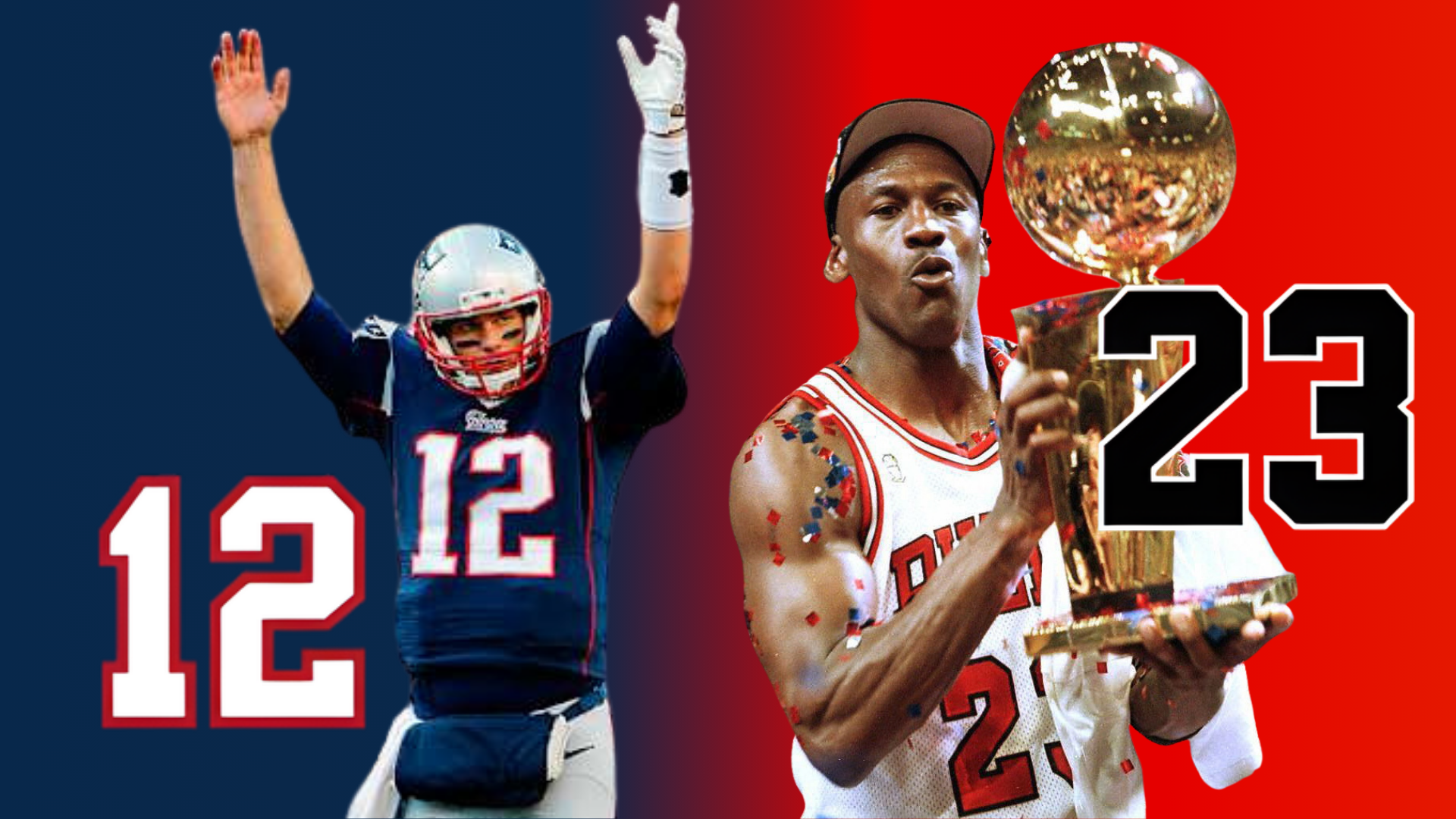
TB12 — Tom Brady.
Twenty-three — Michael Jordan.
Forty-four — Lewis Hamilton.
Five — Sebastian Vettel.
Thirty-three, one, now, three — Max Verstappen.
Early in motorsport, the number on a car meant very little. It was simply an administrative marker — like a bib number in a marathon. It carried no identity and no sentiment. It was just a way for race control to count and catalog cars and drivers, event by event.
But as the sport evolved, fans began to follow individual drivers and teams. Formula One started to recognize the value of identity — and the power of a number.
The first significant shift came in 1974. That's when F1 introduced permanent team racing numbers, following a trial at the 1973 Belgian Grand Prix. Numbers were assigned based on finishing positions in the 1973 Constructors' Championship. From that point on, teams only changed numbers if they signed the reigning World Drivers' Champion. The champion took number one, and their teammate took number two.
This was the moment numbers stopped being random. They became tied to teams. Identity was born.
In the past, only the numbers #1 and #2 would switch based on the previous season's driver's champion. In 1996, it changed again: the reigning World Champion was given the number one position, while their teammate was given the number two, and the remaining drivers on the grid were then numbered according to the standings from the previous season's Constructors' Championship. This shift meant that numbers were no longer fixed — they had to be earned. Performance and recent achievements became crucial, and drivers needed to prove themselves to earn their race numbers.
The 2013 season marked the end of this merit-based system. Sebastian Vettel was the last driver to run number one under those rules, alongside teammate Mark Webber in number two at Red Bull.
Then came 2014 — and everything changed.
From that season onward, drivers were allowed to choose a permanent number between 2 and 99, with number 1 still reserved for the reigning champion. Vettel began the new era wearing the number one in his final season with Red Bull. When he moved to Ferrari in 2015, he would take on his famous #5.
This was the final evolution. Numbers became personal. Drivers became full brands. From that point on, drivers kept their numbers throughout their careers, regardless of team changes. If a reserve or practice-only driver steps in, they use a team-allocated number.
Over time, numbers became inseparable from identity.
LN4, DR3, LH44,LC16, GR63, OP81.
To Formula One fans, these numbers mean as much as Jordan's twenty-three or Brady's twelve.
They're more than numbers. They're symbols.
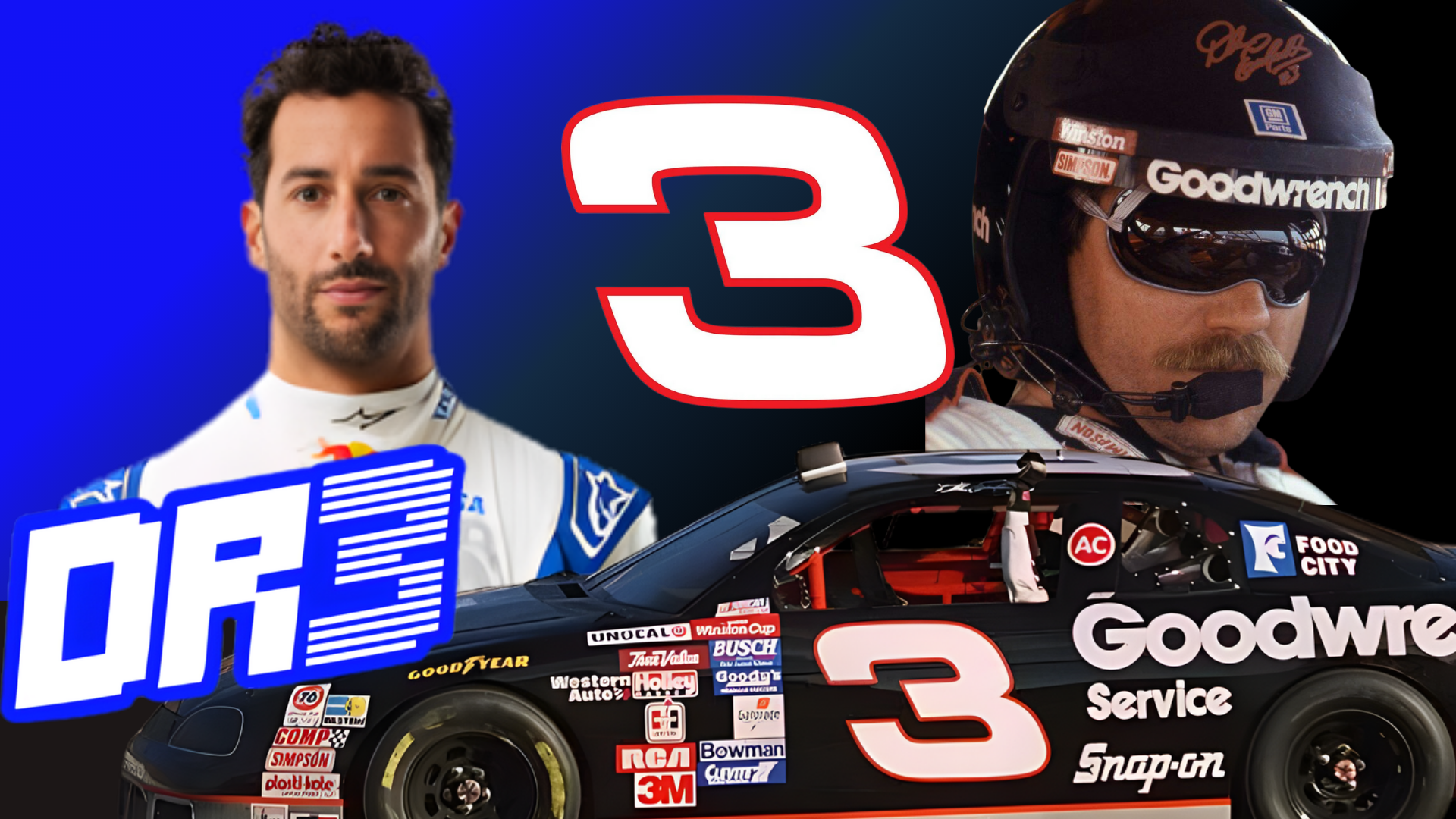
And now, in recent news, Max Verstappen has changed his number once again. After running number one last season, he will race with number three in 2026. Meanwhile, Lando Norris will take over the most prestigious number in the sport — number one — for the 2026 season.