When Artists Dominated F1 Marketing
Neiman: The Man Who Captured the Essence of Formula 1
Long before social media graphics and digital artwork defined Formula 1 weekends, the sports world was primarily analog. Videographers and photographers relied on actual film, broadcasts were seldom live, and life just moved a little slower. The sport depended on painters to convey its personality, as artists were able to capture the vibrant atmosphere of events in ways that photography could not.
Among these artists, LeRoy Neiman stands out as one of the most influential in American sports history. His unique brushstrokes and vivid colors made his work widely recognizable. Neiman captured the essence of the Olympic Games, historic boxing matches, the Masters, and the Kentucky Derby. However, few realize that his colorful vision also played a significant role in defining Formula 1's presence in America during the 1980s.
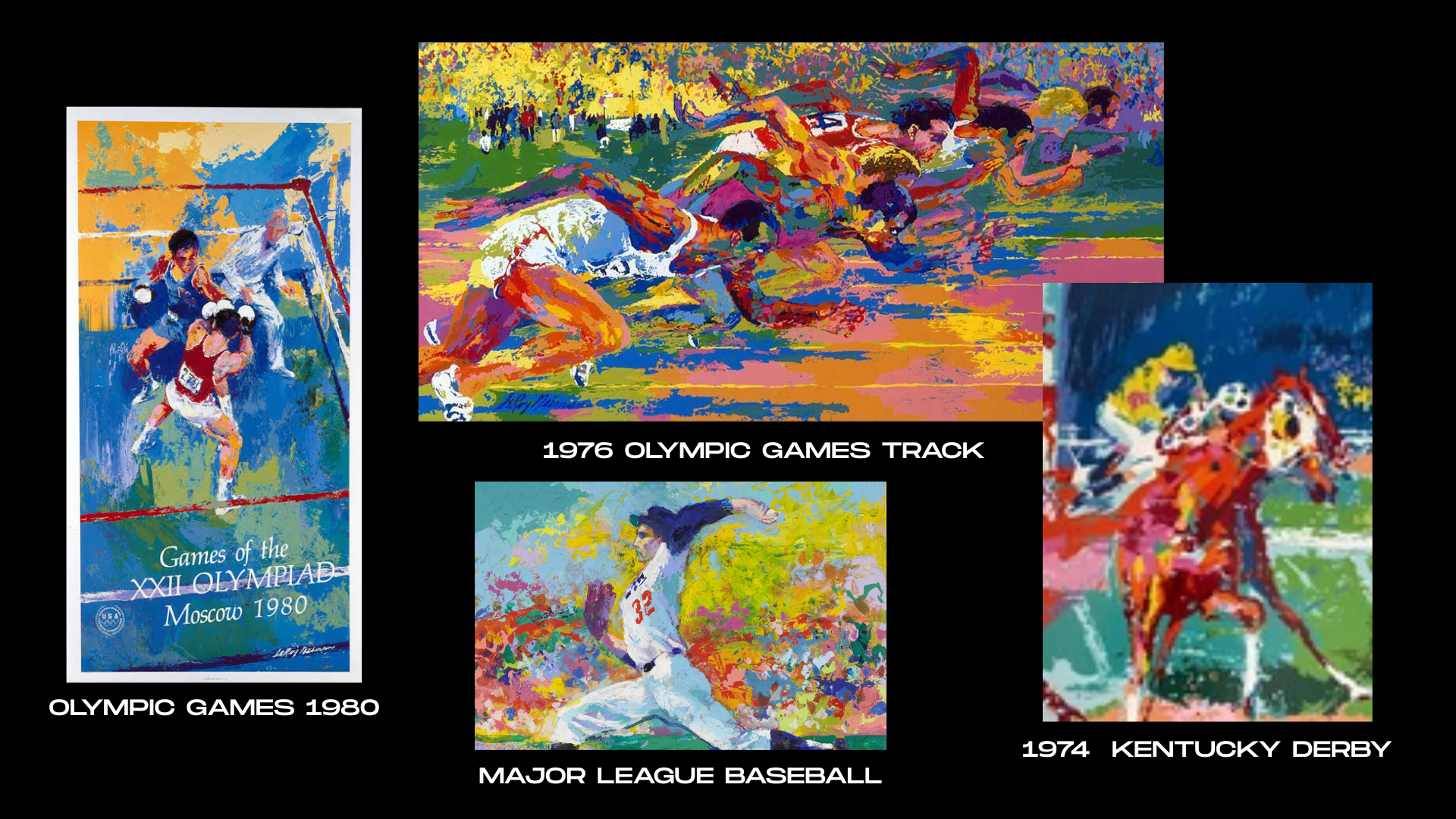
Born in St. Paul, Minnesota, in 1921, Neiman's journey to becoming a visual icon in sports was unique. He served in the U.S. Army during World War II, and after the war, he attended the Art Institute of Chicago, where he spent a decade teaching. During his tenure as an art teacher, Neiman submitted his work to local and national competitions, eventually catching the eye of Hugh Hefner. This led to his illustrations appearing regularly in Playboy magazine's "Man at His Leisure," where Neiman depicted his travels to exotic locations.
In the 1960s, Neiman began to travel to major sporting events worldwide, earning recognition from prominent sports organizations. His art encapsulated the culture of the 70s and 80s in a way that few artists of his time could achieve—through American Expressionism.
Neiman's work didn't merely illustrate the sporting events; it also conveyed the culture surrounding them. His official race posters burst with saturated colors, vibrant brushwork, and an unmistakable feeling of movement. Neiman painted the feeling of a Grand Prix—the speed, glamour, crowds, and electric atmosphere of race weekends.
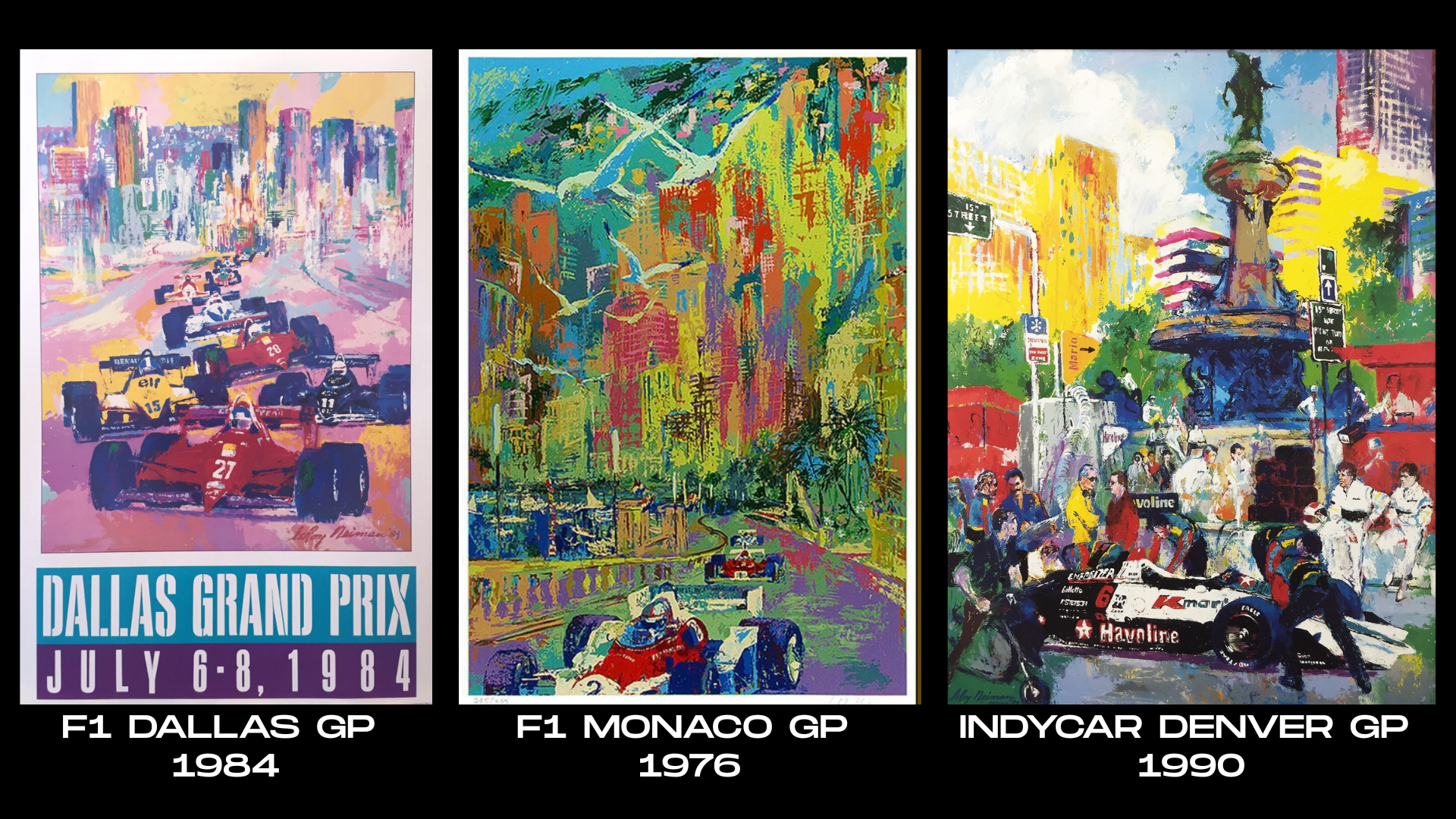
This made Formula 1 a perfect match for his artistic vision. As the sport sought to establish a foothold in the United States, promoters needed more than just advertising—they needed an identity. Neiman designed the official posters for the Las Vegas Caesars Grand Prix and the 1984 Dallas Grand Prix. His paintings transformed Formula 1 from a mere motor race into a cultural event, helping shape how many American fans initially perceived the sport before television coverage became prevalent.
Today, decades after those races faded from the calendar, Neiman's posters remain some of the most sought-after pieces of Formula 1 memorabilia. They are treasured not only for commemorating historic races but also for capturing the dynamic essence of the sport that photography rarely could.